
What Is PAD?
Peripheral Arterial Disease (PAD) occurs when cholesterol and plaque build up in the arteries of the lower extremities, reducing blood flow to the legs and feet. This can lead to a variety of complications, including difficulty healing wounds, pain, and more.
Are You at Risk for PAD?
You may be at risk for PAD if you:
- Are 65 years or older
- Are 50 years or older with a history of diabetes, high blood pressure, high cholesterol, or smoking.
Signs & Symptoms of PAD
- Leg pain while walking, relieved with rest
- Pain at rest due to poor circulation
- Wounds on the lower extremity that heal slowly or not at all
- Discoloration in the toes or feet
- Injury to the leg or foot involving blood vessels
What is PADnet?
PADnet is a non-invasive arterial test used to detect Peripheral Arterial Disease early, when treatment options are most effective. The test assesses blood flow and identifies blockages in the arteries using Pulse Volume Recordings (PVRs) and segmental blood pressure measurements.
Before Your PADnet Test
Preparing for the PADnet test is simple:
- Wear loose clothing that allows access to your arms and legs.
- Remove shoes and socks. A gown or your own shorts can be worn.
- The test usually takes 20 to 30 minutes, so allow extra time for check-in.
- Avoid smoking 30 minutes before the test, as it can affect the results.
- If you have trouble lying flat on your back, please inform your provider.
During the PADnet Test
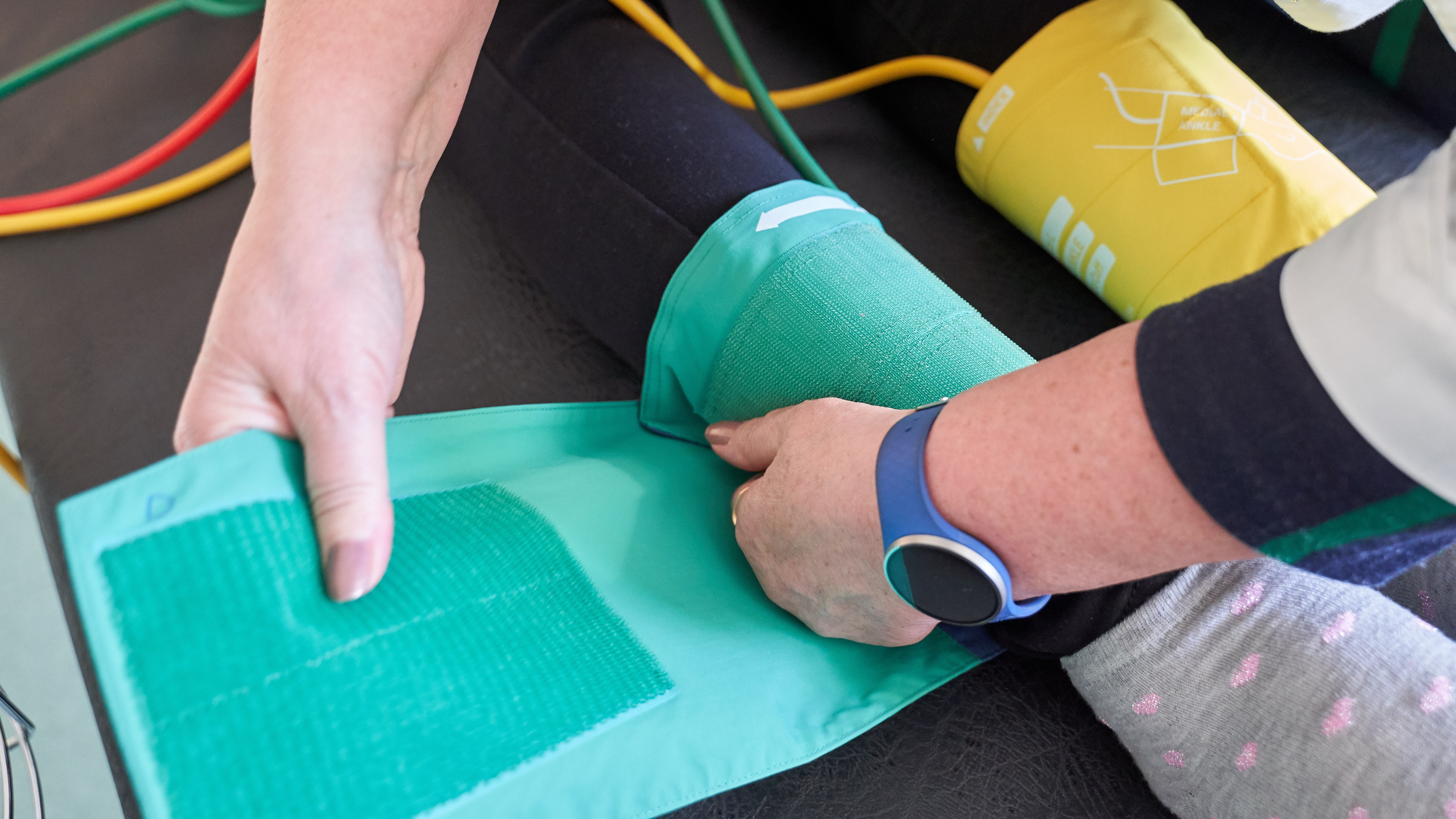
- You will lie flat on an exam table while pressure cuffs are placed around your arms, above your knees, calves, and ankles.
- The cuffs will be inflated to measure pulse waves and blood pressure at both your arms and ankles.
- The Ankle Brachial Index (ABI) is calculated based on the ratio of these pressures. An ABI of 99% or lower compared to your arm pressure may indicate PAD. Severe narrowing is often indicated by an ABI of less than 50%.
After Your PADnet Test
- You can resume your normal routine immediately after the test.
- Your doctor will review the results and discuss next steps with you, including any additional diagnostic tests if necessary.
 Shoal Creek Foot & Ankle Center